
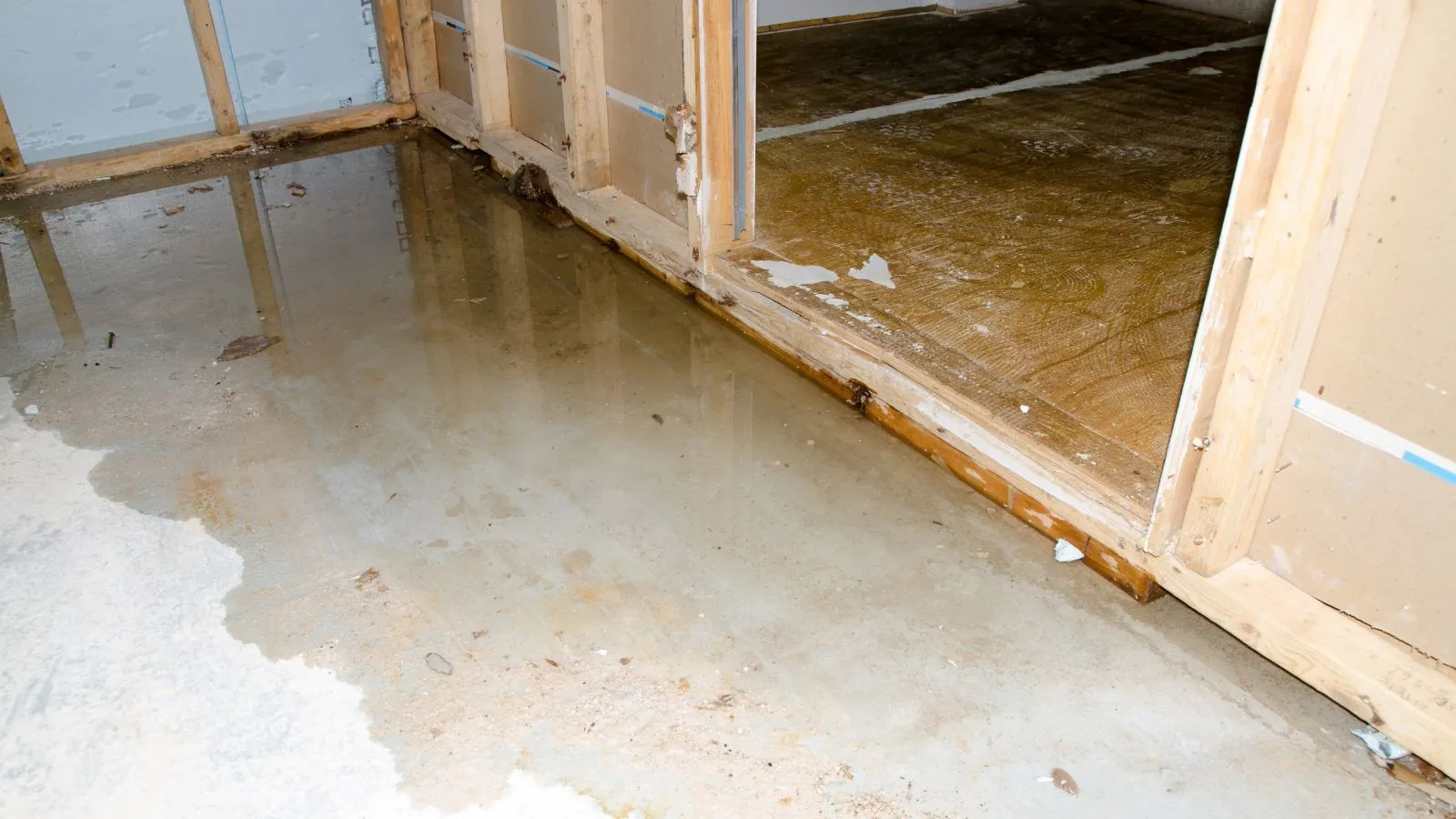
A common question is how far a homeowner can go. The honest answer is that it depends on the size of the area, the material and whether the moisture is still there. This guide covers what is reasonable to do yourself, what to avoid and the signals that mean it is time to call.
None of this is medical advice. If anyone in the home has health concerns related to mold, speak with a physician.
Before you touch anything: find the water
Mold needs moisture. Check for a drip, a damp wall, a cracked pipe or a window well that fills. Fix those first, or cleaning is wasted. Run a dehumidifier while you work, and keep the basement ventilated if the weather allows.
Take photos of the area before you begin. If the growth is large, spreads behind drywall or appears after a flood, stop here and read the mold remediation page.
What a homeowner can reasonably do
These steps suit a small patch on a hard surface such as sealed concrete, tile or painted block.
Small-area cleaning steps
- Wear gloves, eye protection and a well-fitting respirator
- Scrub the surface with detergent and water, not bleach
- Wipe with clean water and dry the area fully
- Bag cleaning materials and dispose of them
- Run a dehumidifier until the area stays dry
- Watch the spot for several weeks
If the patch returns, there is moisture you have not found.
What not to do
Do not spray bleach on large areas, mix cleaning products or dry-brush growth, because that sends spores into the air. Do not paint over mold. Do not use a regular vacuum, since it spreads fine particles. Do not cut into wet drywall in a way that fills the room with dust.
Never ignore a smell that lingers after you clean. A persistent musty smell often points to hidden moisture inside a wall or under flooring.
When to stop and call
These signs suggest a professional approach.
| Sign | Why it matters |
|---|---|
| Growth larger than a few square feet | Containment becomes important |
| Mold on drywall or insulation | Porous materials usually come out |
| Recurring growth after cleaning | The moisture source is not fixed |
| Growth after a flood or sewage | Contaminated water changes the approach. See flood damage cleanup |
Drying is the real fix
Once the cleaning is done, keep the basement below the humidity where growth thrives. Dehumidifiers, vented dryers, sealed ducts and good grading help. A hygrometer costs little and tells you the relative humidity.
Heavy rain tests everything. After a storm, look in the basement within a day and run the dehumidifier. If water entered, pump and dry as described under water extraction.
Choosing cleaning supplies and protective gear
Plain detergent and water handle most surface growth on hard materials. Use a stiff brush on concrete and block and a soft cloth on painted surfaces. Keep the cleaning solution simple. Mixing products, especially those containing bleach and ammonia, can create dangerous fumes.
For protection, wear rubber gloves, goggles without ventilation holes and a respirator rated for the job. Ask a pharmacist or hardware store for the right rating. Tape plastic over vents and doorways to keep dust in the work area.
Drying and monitoring the cleaned area
After scrubbing, dry the surface with clean towels and run a dehumidifier. Keep the relative humidity in the basement below about 50 percent if you can. A cheap hygrometer lets you check.
Check the area weekly for a month. Look for new staining, a returning smell or condensation on pipes and walls. If any of these appear, the moisture source is still active, and further cleaning will not solve it.
Storing things in a basement afterwards
Keep stored items off the floor on shelves. Use plastic bins with lids instead of cardboard. Leave space between boxes and walls so air can move. Avoid storing fabrics and paper in a basement that has had moisture problems.
These habits matter because stored cardboard is food for mold and it hides damp walls from view. A basement with a few inches of clearance around the perimeter is easier to inspect.
When mold is behind finished walls
A finished basement with drywall, paneling and carpet can hide growth. Signs are a smell with no visible source, staining at the baseboard and walls that feel cool and damp. A small inspection hole or a borescope lets a professional look inside without removing the whole wall.
If growth is inside the wall cavity, plan for removal of the affected drywall and insulation. The framing is cleaned and dried before closing the wall. This is not a typical homeowner job because of the dust and the moisture.
A realistic plan for the weekend
Saturday morning: find and stop the water, photograph and set up a dehumidifier. Saturday afternoon: clean small hard surfaces and bag debris. Sunday: dry, check readings and plan any further steps. If the area is bigger than expected on Saturday, stop and call.
Having a plan avoids the temptation to push through a job that needs containment. It also keeps you from throwing away items before you have photographed them for an insurer.
Tools and supplies for a small job
Gather gloves, goggles, a respirator, a stiff brush, a sponge, detergent, buckets, heavy trash bags, a dehumidifier and a fan. Keep the fan pointed out of a window so air leaves the basement instead of moving spores across the house.
Do not use household bleach on porous surfaces. Do not reuse cleaning rags. Wash clothing separately after the job.
Ventilation, air movement and cleanup after
Run a fan that blows out through a window while you work, so air leaves the house. Close interior doors and tape plastic over return vents if you have forced air. After the job, wipe horizontal surfaces and the floor with a damp cloth and wash your work clothes separately.
Bag debris before carrying it through the house. Keep the work area closed until the surfaces are dry.
Key points to remember
Fix the water, clean small hard surfaces with detergent and water, and dry everything. Stop and call when growth is large, on drywall or insulation, or keeps returning. Protect yourself with gloves, goggles and a respirator, and avoid bleach on porous materials. Track the area for several weeks. A basement that stays dry stays clean.
A Norton note on low ground
Norton's 2018 resilience workshop summary describes much of the town as low-lying and lists flooded roads at Richardson Avenue, Walker Street and Route 123. If your lot is low, plan for a damp basement after storms and check drainage first. Ask the Norton building department before changing grading or adding drains.
Nearby help
Crews from Norton also work in Easton and North Easton, so the same questions apply across the area.
Common questions
Bleach is not recommended for porous materials and does not fix moisture. Detergent and water on hard surfaces is the usual approach.
If the area is larger than a few square feet, on drywall, or keeps returning, call a professional.
Protective gear is advised when cleaning. Ask a pharmacist or physician about suitable masks.
Flooding brings contaminated water and a different plan. See the flood page.
Ask the Norton building department or board of health.
References for this article
Sources include the Massachusetts Division of Insurance and the EPA, along with the ANSI/IICRC S500 and S520 standards. Nothing here replaces your policy wording or advice from your town.