
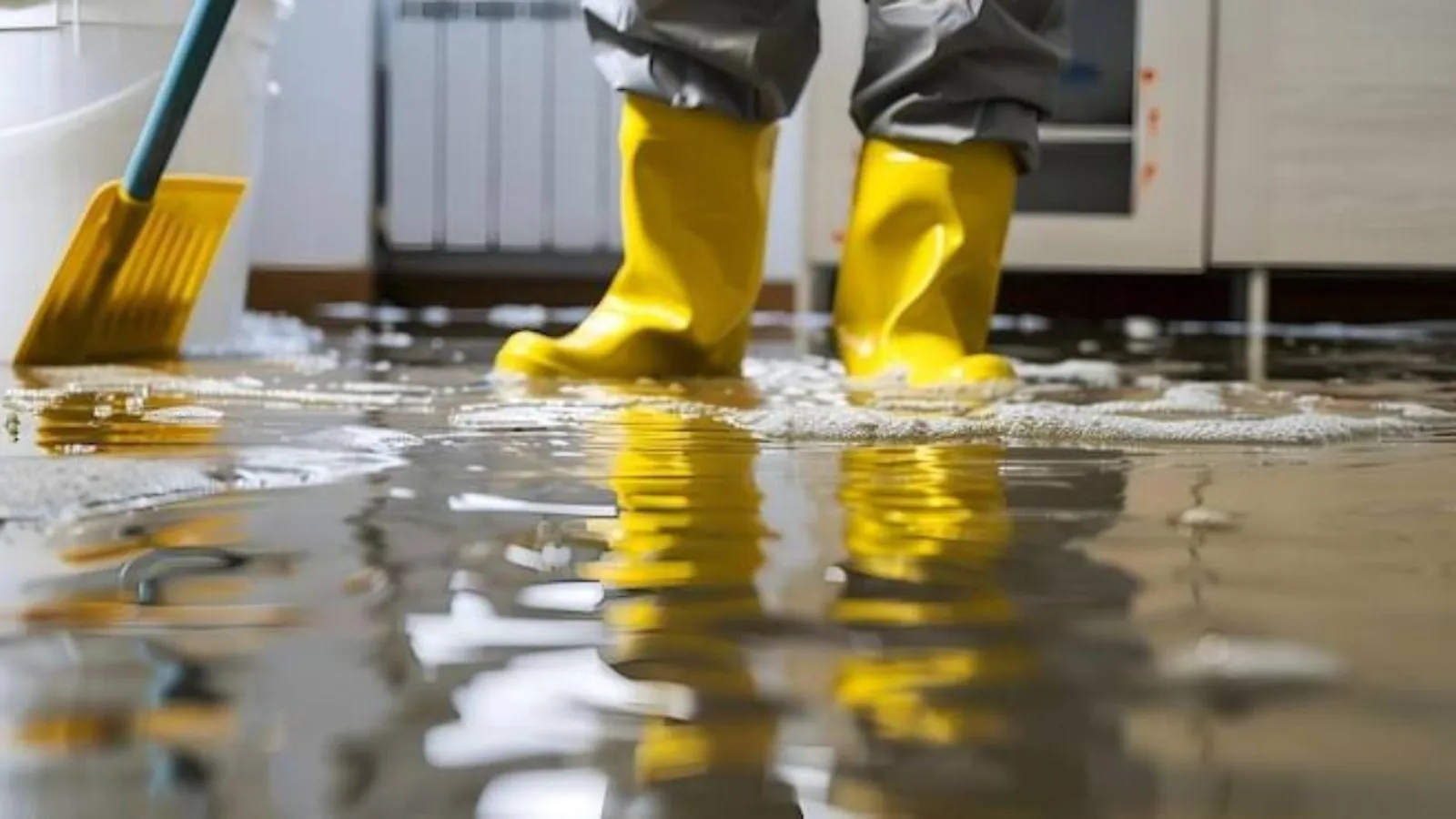
Flood damage in Norton ranges from a few inches in a basement to water across a main floor. Emergency flood cleanup calls go to our 24/7 line, and a crew can be dispatched the same day when available. Floods differ from a pipe break because the water comes from outside and may carry soil, sewage and debris.
Stay out of flood water if you can. It may be electrically live and may contain contaminants. Shut off power at the main only if you can reach the panel without standing in water, and leave the house if water is rising. Call 911 for anyone in danger.
Floods in Norton: what the town's own records say
The Town of Norton's 2018 Municipal Vulnerability Preparedness workshop summary describes much of the town as low-lying, with flood-prone roads including Richardson Avenue, Walker Street and Route 123. That is the town's own assessment, and it does not mean every street floods.
To know your own risk, check the FEMA Flood Map Service Center for your address, and ask the Norton building department what applies to your property. Flood risk can differ block by block, and the map is the official reference. Homes near the water are covered on the Winnecunnet area page.
Why flood water is treated as contaminated
Standards used by the industry sort water into three categories. Clean supply water is Category 1. Water with significant contamination is Category 2. Water that is grossly contaminated, including surface flood water and sewage, is Category 3. The ANSI/IICRC S500 standard describes these categories, and homeowners can ask any company whether its crews work to that standard.
Flood water usually counts as Category 3 because it crosses yards and roads before it enters the house. That changes the work. Porous materials such as carpet, pad and insulation that were soaked are generally removed, and hard surfaces are cleaned and sanitized before drying finishes.
Water rising or standing inside?
Get to safety and call the 24/7 line.
Flood emergency: the cleanup sequence
The order protects the crew and your house.
Make it safe
Power, gas and structural hazards are checked before work begins.
Pump and extract
Water is removed in stages so walls and slabs are not stressed. See water extraction.
Remove and clean
Soaked porous materials are removed and hard surfaces are cleaned.
Mold risk grows if wet materials stay in place, so speed matters. The mold remediation page explains what follows when drying is delayed.
Flood vs other water losses
The source changes the category, the cleanup and often the insurance answer.
| Loss type | Typical water category | Typical cleanup |
|---|---|---|
| Supply line break | Category 1 at first | Extraction and drying. See burst pipe water damage |
| Storm rain through roof | Category 1 or 2 | Containment and drying. See storm water damage |
| Surface flood water | Category 3 | Removal of porous materials, cleaning, drying |
| Sewer or drain backup | Category 3 | Containment and sanitizing. See sewage backup cleanup |
After the water goes down
Do not turn the heating system or appliances on until a professional has checked them. Boilers, furnaces and electrical panels that took water need inspection before use. Open windows for ventilation if conditions allow and wear gloves and boots while you work.
Keep a list of discarded items with photos, and ask your insurer or the town what rules apply to disposal of flood debris. Check with the Norton building department about any permits needed for repairs.
What affects the cost of flood cleanup
Flood jobs are scoped after the crew sees the structure.
Depth and duration
Hours under water differ from days.
Contamination
Category 3 water adds cleaning and disposal.
Materials lost
Carpet, pad, insulation and low drywall are commonly removed.
Contents
Furniture and belongings may be cleaned, dried or discarded.
Rebuild
Replacement of walls and floors is scoped after drying.
The Massachusetts Division of Insurance states that standard homeowners policies do not cover flood damage, and that flood insurance is a separate policy. Check your policy, ask your insurer, and check whether your property is in a mapped flood zone.
What to do first, and what not to do
Flood water can carry electricity and contamination, so protect yourself first.
Safety steps
- Stay out of flood water, which may be live with electricity or contaminated
- Do not turn on the furnace, boiler or appliances that took water
- Wear boots and gloves if you must enter, and wash well afterward
- Do not eat food that touched flood water
Common questions
Yes. The emergency line is live every hour of the year. Flooding does not wait for business hours, and same-day response is offered when a crew is available.
It can be. Surface flood water may carry bacteria and chemicals, and it may be electrically live. Avoid contact, wear protective gear if you must enter, and ask a physician about any health concerns.
Standard homeowners policies generally do not cover flood. A separate flood policy does. Check your policy and ask your insurer what applies to your loss.
Hard and non-porous items can often be cleaned. Soaked carpet, pad, insulation and upholstered furniture are commonly discarded when the water was contaminated.
The FEMA Flood Map Service Center lets you look up an address. The Norton building department can explain local requirements.
Standards and references
Two published standards frame the work: ANSI/IICRC S500 for water and S520 for mold. Official consumer information lives with the EPA on moisture and the Massachusetts Division of Insurance on coverage.