
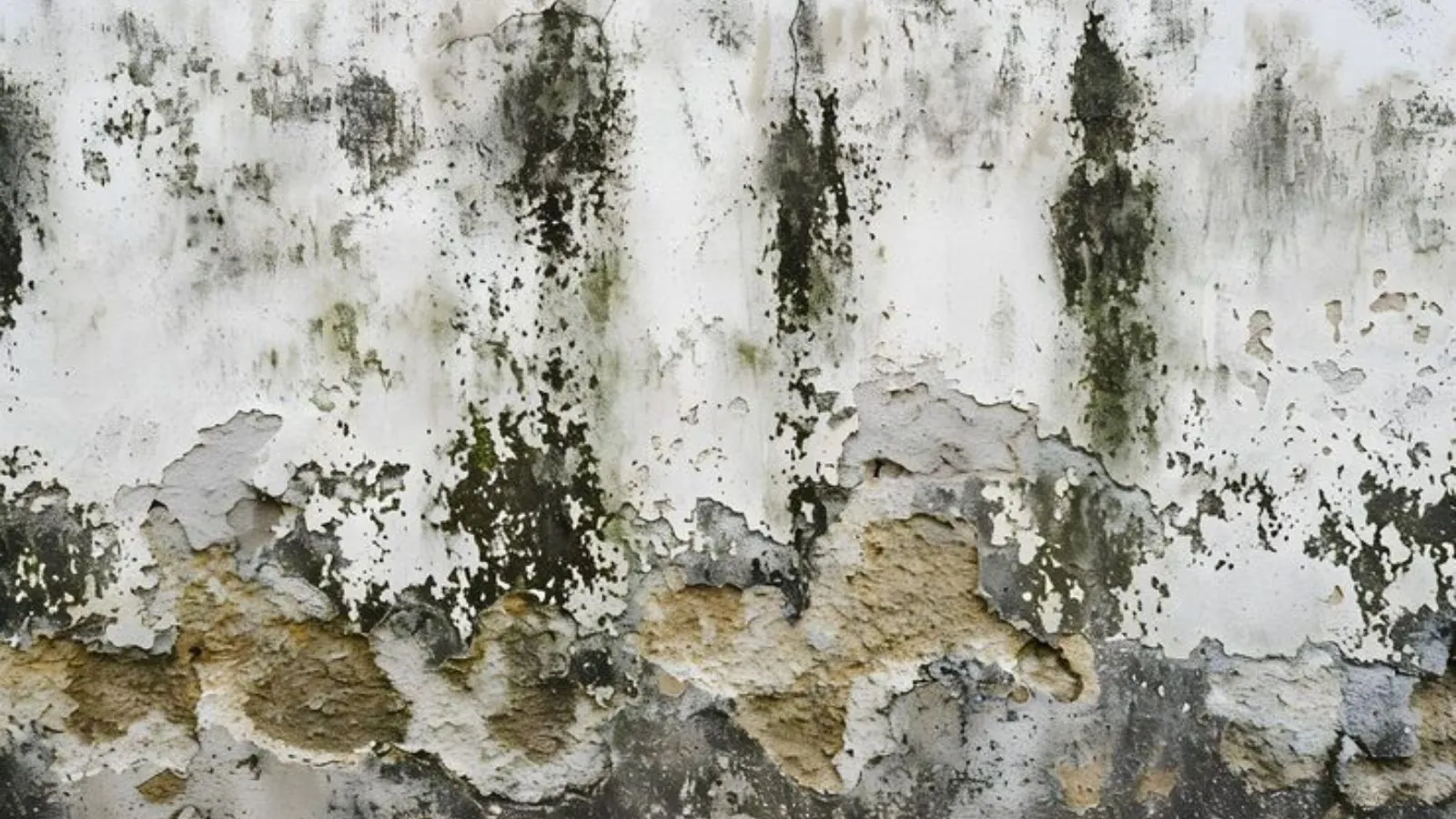
Wet drywall softens, stains and can grow mold behind the paint. Water moves up the wall from the floor like a candle wick, so the wet line is often higher than it looks. Quick drying saves some drywall. If it has been wet for days or is crumbling, it is removed.
Photograph the stain and the area around it. Turn off the water source if you know it. Do not paint or caulk over a stain. Call and a crew can measure moisture to see how far it goes.
How far does water climb a wall
Paper-faced drywall draws water upward by capillary action. A one-inch puddle can wet drywall several inches above the floor. Insulation inside the wall holds water and keeps wetting the back of the board.
Staining, bubbling paint, soft spots, bowing and a musty smell all signal moisture. A meter finds the boundary between wet and dry, and a flood cut at that line removes the wet section.
From wet wall to repaired wall
The plan depends on the moisture reading and the water category.
Measure
A meter and thermal camera map the wet area.
Open
Baseboards come off and a flood cut removes wet sections.
Rebuild
New drywall is hung, taped, finished and painted.
Painting over wet drywall seals moisture in. Wait for readings to show the framing is dry.
Wall soft or bubbling?
Call and ask about a moisture check.
Drywall conditions and what to do
What you see tells you how deep it goes.
| Condition | Meaning | Typical action |
|---|---|---|
| Light stain, firm board | Short or minor wetting | Dry in place, prime and paint |
| Bubbling or peeling paint | Moisture in or behind the board | Check with meter, dry or cut |
| Soft or crumbling board | Saturated | Cut out and replace |
| Staining with musty smell | Long-term moisture. See mold remediation | Open the wall and inspect |
Signs the wall is wet before the paint shows it
Drywall can be wet while the paint still looks fine. A cool spot to the touch, a faint musty smell near the baseboard, nails or screws that start to show through the paint, and baseboards that pull away from the wall are early signs. A hand-held meter reads the board without cutting it.
Thermal cameras show temperature differences, and a wet wall evaporates, so it reads cooler. A camera is a screening tool, not proof, which is why meters confirm each suspicious spot.
Plaster, textured walls and older homes
Many Norton-area homes have older plaster or plaster-and-lath walls in places. Plaster handles brief wetting better than paper-faced board, but it can detach from the lath and it dries slowly. Textured ceilings and walls need extra care to match after a patch.
If your walls are not standard drywall, tell the crew when you call. The repair plan changes, and so does the time it takes to match the finish. Painted-over wallpaper and old lead-containing paint also change how walls are cut and cleaned, so mention the age of the home.
After the repair: painting and prevention
Once the framing and board read dry, new drywall is taped, finished and primed. Paint a full wall corner to corner where you can, because a patch of new paint on an old wall shows in side light. Use a stain-blocking primer over any remaining mark from the original leak.
Fix the cause before the final coat. A small leak that is left in place will wet the new board too. Ask the plumber or roofer to confirm the source is repaired, and keep their note with your records.
What affects the cost of drywall repair
Drying is separate from rebuilding.
Area
Wall height and length of the wet line.
Insulation
Wet insulation is replaced.
Finish
Texture and paint matching add time.
Water category
Contaminated water requires removal.
Access
Cabinets and fixtures along the wall complicate the work.
Insurance may cover drywall damaged by sudden water. Ask your insurer, and keep photos of the wall before it is opened.
Common questions
Sometimes, if the water was clean and the drywall is firm and was wet only a short time. A meter reading after drying confirms it.
The leak may have stopped, or the water may be inside the wall. A moisture check finds hidden wet areas.
A straight cut a few inches above the wet line that removes the wet drywall so the cavity can dry.
Wet fiberglass insulation usually does, since it holds water and sags.
After readings show the framing and drywall are dry, usually a few days to a week.
Standards and references
ANSI/IICRC S500 is the published standard for professional water damage restoration, and S520 covers mold remediation. Read the Massachusetts Division of Insurance for claim basics and the EPA mold pages for moisture control.