
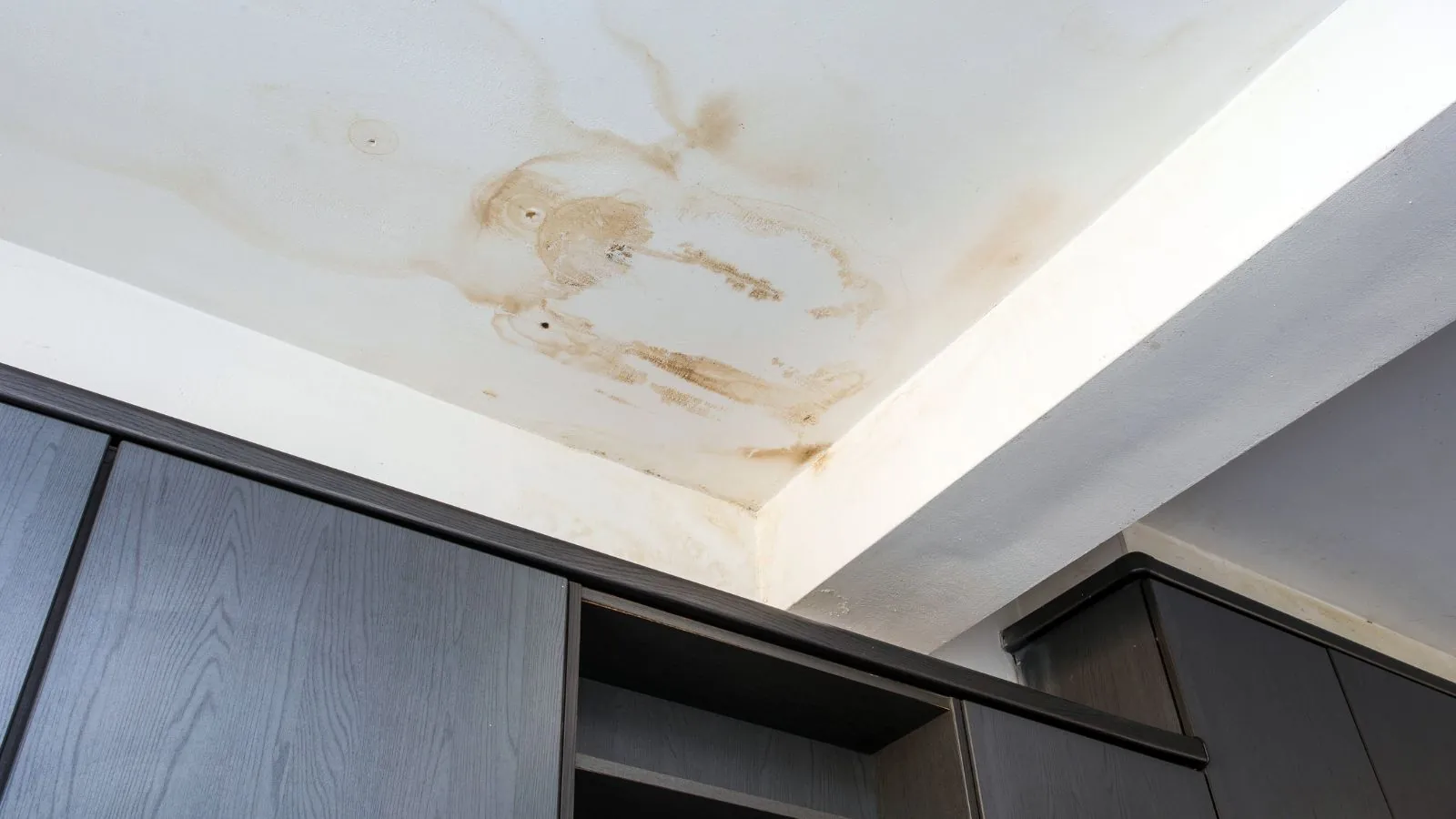
A water loss at a business is an emergency because closed doors cost money. Emergency commercial water damage calls in Norton go to our 24/7 line, and a crew can be dispatched the same day when available. A building manager or owner who calls early can limit the damage and the downtime.
Shut off the water supply, turn off power to affected areas, protect inventory and records and photograph everything. Tell your landlord or property manager if you lease, and notify your insurer.
What makes commercial work different
Commercial spaces have larger floor areas, shared walls, ceilings with sprinkler lines and tenants who need to reopen. A leak in a suite can affect neighbors above and below, and the lease may spell out who pays for what.
Routes through the building matter too. Crews work around business hours and protect stock, records and electronics. Priorities are set with the owner or manager before work starts. Buildings around the Town Common are covered on the Norton Center page.
Commercial water emergency: a loss in four phases
Phasing keeps the business running as much as possible.
Secure
Water is stopped, hazards are cleared and areas are protected.
Document
Readings, photos and a scope of work go to your insurer.
Reopening happens once the space is safe and dry, and in phases if parts can open sooner.
Business flooded or leaking?
Shut off the water and call the 24/7 line.
Common commercial losses
Different buildings, different problems.
| Type of space | Typical source | Special concerns |
|---|---|---|
| Retail shop | Roof leak or burst pipe | Inventory and fixtures |
| Office | Sprinkler or supply line | Records and electronics |
| Restaurant | Dishwasher, drain backup. See sewage backup cleanup | Health inspection timing |
| Warehouse | Roof or flooding. See flood damage cleanup | Large floor area, racking |
The first call from a building owner or manager
Tell the dispatcher the type of business, the floor area that is wet, whether the water is still running and whether there are tenants or neighbors affected. That lets a crew arrive with the right pumps and enough drying equipment for the space, instead of making a second trip.
Have someone who can approve access and sign for the work on site or by phone. If you lease, find out whether the landlord's insurer or yours handles the building portion, because that decides who gets the invoice.
Protecting stock, records and equipment
Water loss at a business is often about contents. Move inventory off the floor onto racks or pallets if you can do so safely, and unplug electronics only if power is off and the area is dry. Paper records can sometimes be frozen to stop damage until they can be dried, so ask before throwing any away.
Keep a list with photos of what was damaged. Insurers ask for an inventory, and the list is easier to build on day one than after the area has been cleaned up.
Reopening and working around operations
A commercial crew can often split a space into zones, so a dry area reopens while a wet area stays closed. Containment barriers and dehumidifiers keep the damp zone from affecting the rest of the space.
Health-regulated businesses such as restaurants should check with the Norton Board of Health before reopening after a sewage or contamination event. Ask the board what it needs to see, and keep the cleanup documentation ready.
What affects the cost of commercial water damage work
Scope depends on size and use.
Square footage
Large floors need more equipment.
Materials
Carpet tiles, drywall and ceiling tiles each respond differently.
Hours
After-hours work may be needed to protect operations.
Contents
Inventory and equipment may need to be moved.
Rebuild
Repairs are scoped after drying.
Commercial policies differ widely. Ask your insurer about business interruption coverage and any waiting period, and check your lease for who handles building repairs.
What to do first, and what not to do
Staff and customers come before stock and records.
Safety steps
- Shut off water and power to the affected area
- Keep staff and customers out of wet or sagging areas
- Do not move electronics or records unless the area is dry and safe
- Do not reopen until the crew confirms the space is safe
Common questions
Yes. Someone picks up at any hour, weeknights, weekends and holidays. A loss found on Sunday morning gets a call back like any other, and same-day response is offered when a crew is available.
Often yes, by phasing work and containing the wet area. It depends on the loss and the building.
Yes. Share the lease details and the manager's contact so the crew knows who approves access.
Photos, moisture readings and a scope of work are typical. Ask for them in the first visit.
That depends on your policy. Ask your insurer about it before the loss is repaired.
Standards and references
Ask any company whether its crews work to ANSI/IICRC S500, the water damage restoration standard, or S520 for mold. The EPA explains moisture control, and the Massachusetts Division of Insurance publishes insurance guidance.