
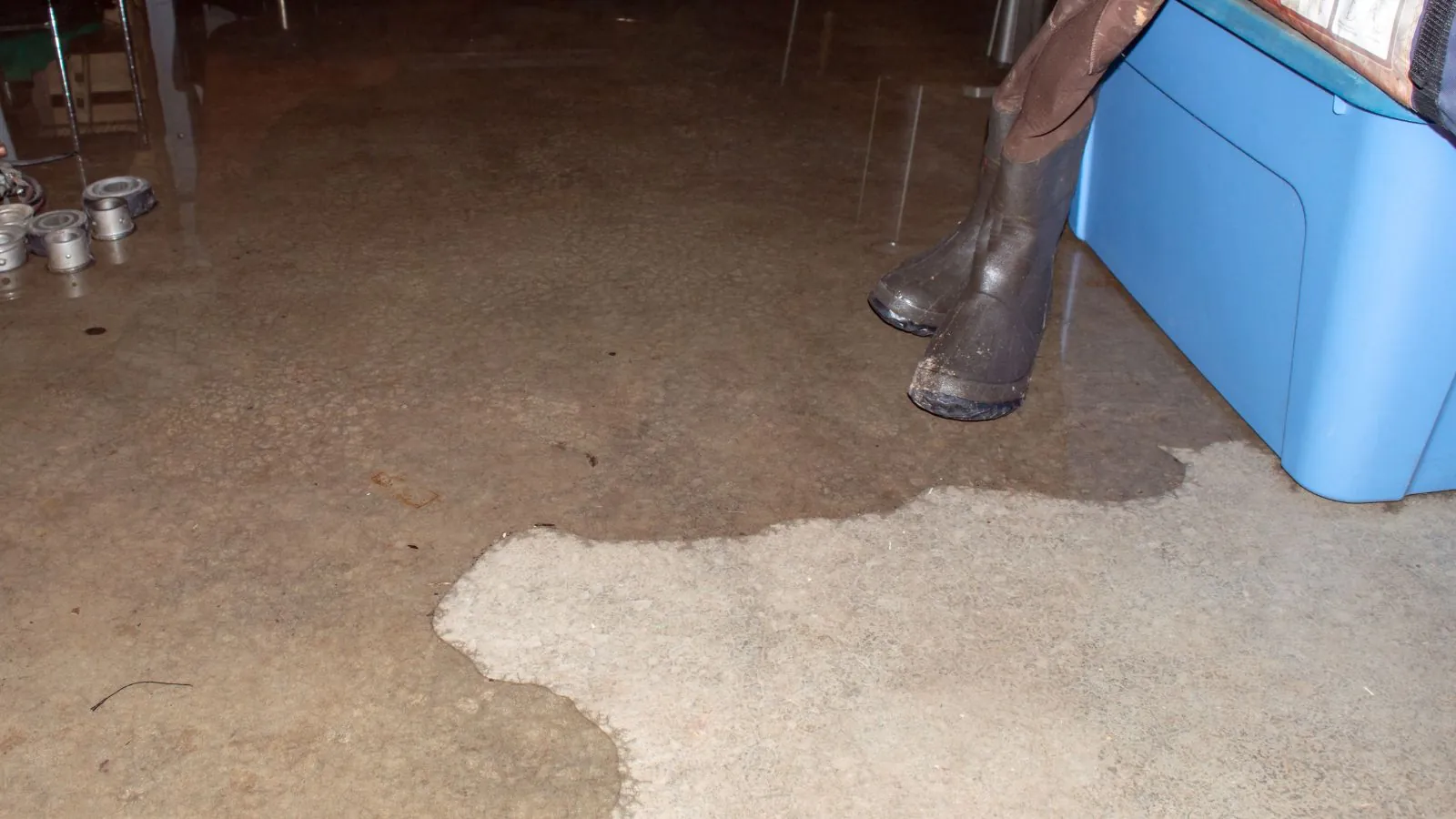
Carpet is easier to dry than most people expect when the water was clean and the response was quick. The pad underneath is the problem. It acts like a sponge and takes days to dry, which is why it is often removed even when the carpet is saved.
If carpet is wet, lift furniture onto blocks or foil, open windows if the weather allows and run a fan. Photograph the area. Do not walk on it more than you must, and call with questions about whether it can be saved.
Clean water versus contaminated water
The category of water decides everything. Clean water from a supply line is Category 1 and carpet can often be dried and kept. Water from a toilet, sewage or flood is Category 3, and carpet and pad should be discarded. See sewage backup cleanup for that case.
Water that sat for a day or two is no longer treated as clean, because bacteria grow in wet carpet. ANSI/IICRC S500 describes the categories and the times, and you can ask any company whether its crews work to that standard.
How wet carpet is handled
The method changes with what the pad looks like.
Lift and inspect
Carpet is peeled back at a corner to check the pad and the floor.
Remove pad
Wet pad is removed and discarded.
Dry and re-lay
Carpet is dried over air movers, then re-stretched, or replaced.
On concrete slabs, a dehumidifier keeps the slab from re-wetting the carpet backing.
Carpet wet and squishy?
Call and ask about extraction.
Carpet outcomes by situation
Not every wet carpet can be saved.
| Situation | Can the carpet be saved? | Pad |
|---|---|---|
| Clean water, under 24 to 48 hours | Often yes | Usually replaced |
| Clean water, several days | Uncertain | Replaced |
| Gray water or flood | Usually no | Replaced |
| Sewage | No. See flood damage cleanup | Replaced |
What to do in the first hour with wet carpet
Act on the carpet before you worry about the cause. Pull lamps and electronics off the floor, lift furniture legs onto foil or plastic blocks so wood stain does not bleed into the fibers, and remove loose rugs. Open windows if the weather allows and run fans toward the room, but leave the heating on at a normal setting.
Stand on the carpet as little as possible. Walking on saturated pile pushes water into the pad and spreads dirt. If the water came from a toilet, drain or outside, treat it as contaminated, keep children and pets out and skip the do-it-yourself steps.
Why the pad and the tack strips matter
The pad is a foam or fiber layer that can hold many times its weight in water. It dries slowly, it smells when it stays wet, and it is cheap compared with the carpet above it. That is why crews usually replace pad even when the carpet is kept.
Tack strips along the walls are wood, and they absorb water too. A crew checks them and the bottom of the wall, because wet strips can stain carpet edges and hold moisture against the baseboard. Seams and backing are checked for delamination, which happens when the glue layer gives up.
When replacing is the smarter choice
Replacement makes sense when the water was contaminated, when the carpet is old, or when drying would cost close to what new carpet would. A good crew will say so honestly and show you the readings behind the call.
If you keep the carpet, ask for a final moisture reading under it and a clean smell check after a week. A smell that returns means water is still in the pad, the slab or the wall base.
What affects the cost of carpet restoration
Replacing carpet and pad is one cost, drying it another.
Water category
Clean water favors drying, contaminated favors replacement.
Area
More rooms add time.
Carpet quality
Higher-grade carpet is worth more to save.
Subfloor
Wet subfloor needs drying.
Stretching
Re-stretching after drying is a separate step.
Insurers often cover carpet damaged by sudden water. Ask what your policy says about depreciation and keep a sample of the carpet and pad.
Common questions
Yes, when the water was clean and drying started promptly. The pad is often replaced even then.
Mold needs moisture, and wet carpet can start to smell within days. Drying promptly lowers the risk.
The slab holds water. Dehumidification matters more there, and the pad is removed to let the slab dry.
For small clean spills, yes. For larger areas a crew's extraction equipment removes more water.
Photos, receipts and a swatch of the carpet and pad.
Standards and references
ANSI/IICRC S500 is the published standard for professional water damage restoration, and S520 covers mold remediation. Read the Massachusetts Division of Insurance for claim basics and the EPA mold pages for moisture control.