
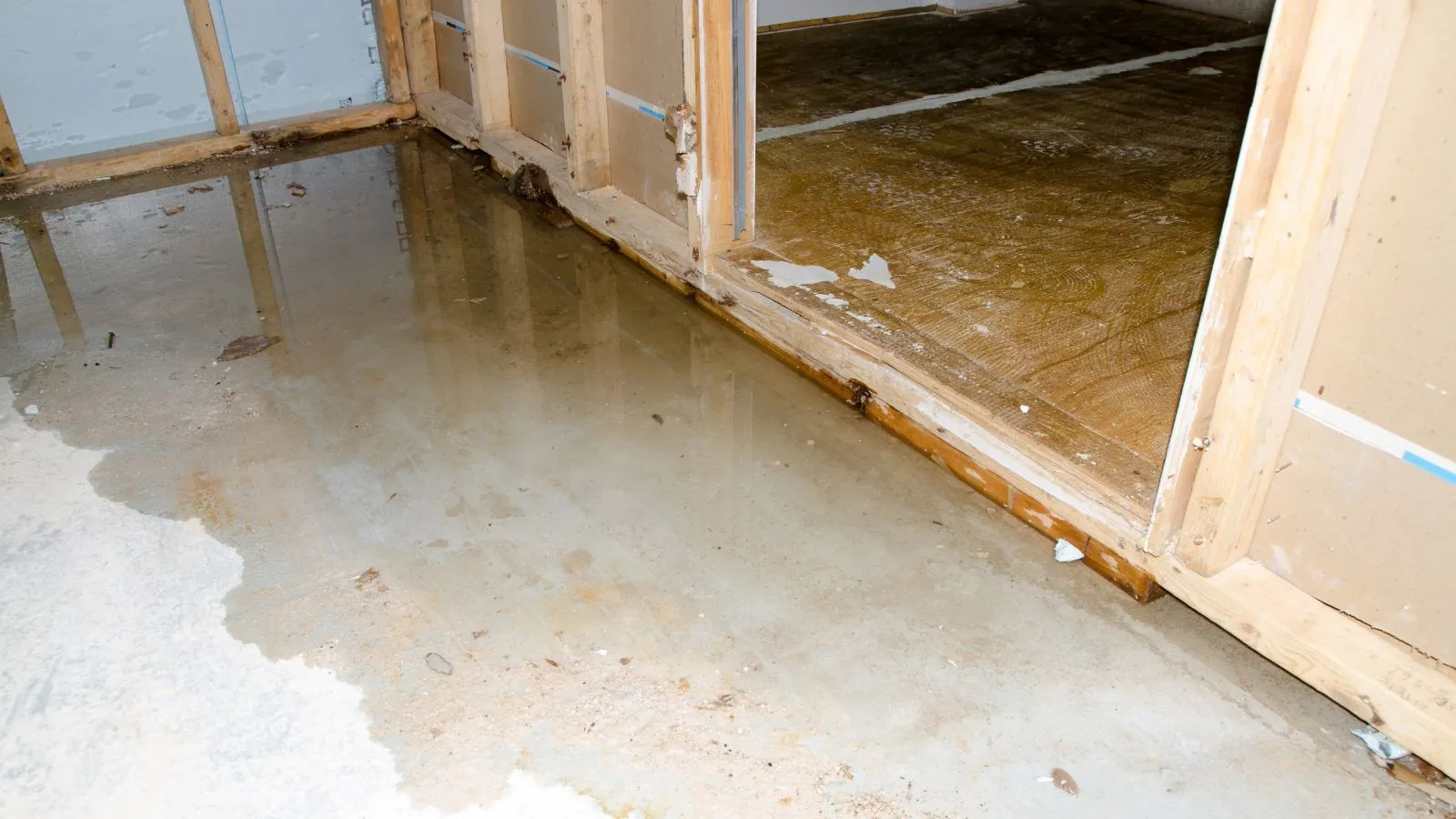
A wet basement is an emergency when water is standing or still coming in. Emergency basement water damage calls in Norton go to our 24/7 line, and a crew can be dispatched the same day when available. The first questions are how deep the water is, where it is entering and whether the sump pump is running.
If the sump pump has failed, do not wade in until power is off. Move items off the floor if they are dry, and keep children and pets away. Photograph the water level and the entry point.
Basement water in a low-lying town
Norton's own resilience planning points to the same pressure homeowners feel. The town's 2018 workshop summary described much of Norton as low-lying, with flooded roads at Richardson Avenue, Walker Street and Route 123. Low ground tends to hold water longer, which is hard on basements.
Check the FEMA flood map for your address, and ask the Norton building department about drainage and any local rules before you add drains or a pump. Permit rules vary, so ask before you start. The village page for Chartley adds local drainage notes.
Where basement water comes from
Water enters through the floor-wall joint, cracks in the slab, window wells, a failed sump or a pipe above. Each source has a different pattern, and knowing it tells a crew what to dry.
Groundwater seepage tends to start at the edges and rise, a plumbing leak starts under the pipe and spreads, and a window well overflow runs in under the sill. A moisture map on the first visit separates these before drying begins.
Basement taking on water?
Stay out of the water and call the 24/7 line.
Basement flooding emergency: from standing water to dry
Concrete and block hold moisture, so drying a basement takes longer than drying a living room.
Remove wet contents
Cardboard, carpet and wet insulation come out, since they hold moisture.
Dry the structure
Dehumidifiers and air movers run on walls and slab for days.
Check and verify
Readings confirm the slab and wall bottoms are dry before finishing.
Finished basements add drywall and flooring to the job, and the wall and drywall repair page covers what happens to those.
Finished or unfinished: what a basement flood costs you
The finish level changes what is lost.
| Basement type | What is usually affected | What usually happens |
|---|---|---|
| Unfinished | Slab, block walls, stored boxes | Pump, remove stored items, dry with dehumidifiers |
| Finished with drywall | Lower drywall, baseboards, insulation | Cut back wet drywall, dry framing |
| Finished with carpet | Carpet and pad | Pad out, carpet dried or replaced. See carpet water damage |
| Utility area | Water heater, furnace, panel | Safety check first. See water heater leak cleanup |
Sump pumps, backup power and prevention
A sump pump moves groundwater out of a pit in the slab. It needs power, so a storm that knocks out electricity can stop it just when it is needed. Battery backups and water-powered backups exist, and a plumber can advise which fits your system.
Test the pump before wet seasons by pouring water into the pit and watching it start. Clear gutters, extend downspouts and check the grading around the foundation, since outside water is easier to stop than inside water.
What affects the cost of basement cleanup
The scope follows the water and the finish.
Depth
Inches versus feet changes pump time.
Duration
Water that sat for days means more mold risk.
Finish level
Finished space adds demolition and rebuild.
Source
A sewer backup costs more than clean groundwater. See sewage backup cleanup.
Drying time
Slabs dry slowly, so equipment time adds up.
Insurance may cover sudden water from a plumbing failure but not groundwater seepage or flood. Sump pump overflow and sewer backup usually need an endorsement, and the Massachusetts Division of Insurance notes this on its consumer pages. Ask your insurer which endorsements you have.
Common questions
Yes. The dispatch line is open 24 hours a day, every day, holidays included. Basement water often arrives during storms at night, and same-day response is offered when a crew is available.
It can when materials stay wet. Mold needs moisture, so removing wet materials and drying quickly lowers the risk. If you already see growth, see the mold remediation page.
A household unit helps with humidity but it will not dry a soaked slab or wall cavity quickly. Commercial dehumidifiers and air movers are used for that.
Often several days, because concrete releases moisture slowly. Readings on each visit show the progress.
Sump pump failure and overflow are often excluded unless you have an endorsement. Check your policy and ask your insurer.
Standards and references
Two published standards frame the work: ANSI/IICRC S500 for water and S520 for mold. Official consumer information lives with the EPA on moisture and the Massachusetts Division of Insurance on coverage.