
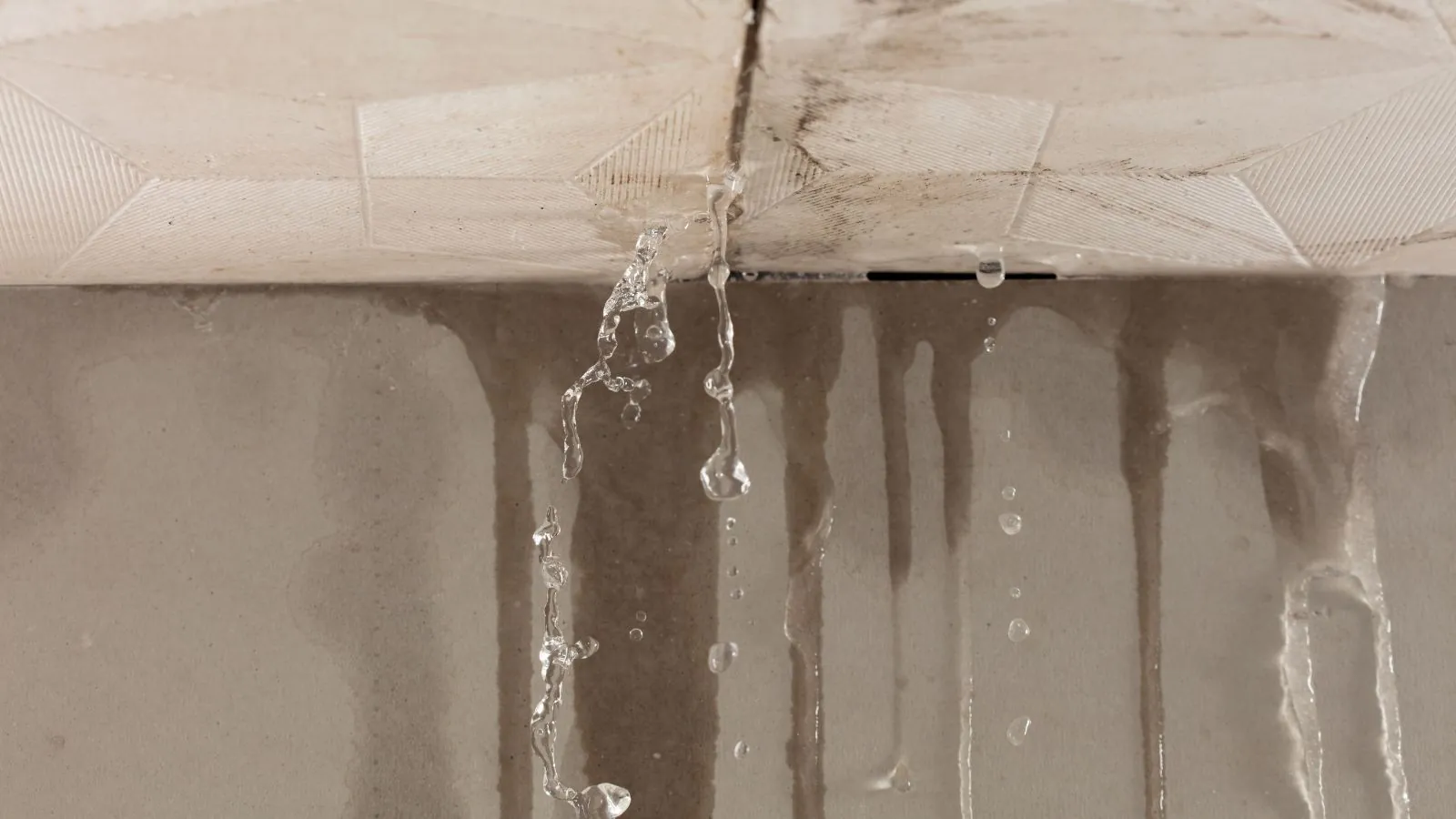
Storm water damage in Norton arrives when rain finds a way in, whether through a lifted shingle, a window, a flooded window well or a sump pump that cannot keep up. Emergency storm cleanup calls go to our 24/7 line, and a crew can be dispatched the same day when available during busy weather.
If it is safe, move belongings away from the wet area, catch drips with buckets and shut off power to any room where water reaches outlets. Photograph the damage and any broken openings. Never go up on a wet roof, and wait for conditions to ease before anyone checks the exterior.
When a storm becomes an emergency
A storm turns into an emergency when water is inside and still entering. A roof opening during heavy rain, a basement taking water through the wall or a window blown in all need quick containment, because the next band of rain makes the loss larger.
Norton's own planning shows why basements and roads matter. The town's 2018 Municipal Vulnerability Preparedness workshop identified much of Norton as low-lying and listed flooded roads at Richardson Avenue, Walker Street and Route 123. For storm warnings and watches, the National Weather Service issues the official forecasts, and they are a better guide than any single news report.
Storm response in four moves
The order matters. Protecting the opening comes before drying, or the work is wasted.
Contain
Tarps or boards over a roof or window opening, buckets for drips, contents moved.
Document
Meter readings and photos are kept for the insurance file.
Temporary protection is not a roof repair. A roofer finishes that work once the weather allows.
Storm water coming in now?
Call the 24/7 line while you contain what you can.
Storm entry points and what each one soaks
Knowing where water entered tells you which materials to check.
| Entry point | Typical damage | Related page |
|---|---|---|
| Roof or flashing | Ceilings, attic insulation, wall tops | Ceiling water damage repair |
| Window or door | Window sills, wall base, flooring near the opening | Wall and drywall repair |
| Foundation or window well | Basement walls, slab and stored items | Basement water damage |
| Rising water outside | Whole floors, contaminated water | Flood damage cleanup |
After the storm: a safety checklist
Safety comes before cleanup. These steps protect you and your claim.
Before you start any storm cleanup
- Stay off roofs, ladders and downed power lines
- Turn off power to any wet room if the panel is dry and reachable
- Photograph every wet room and opening before moving anything
- Do not use a regular vacuum on standing water
- Call your insurer and the restoration line as soon as it is safe
Wind and rain damage are often covered under homeowners policies while flood damage is usually excluded. Your insurer can explain how your policy treats each.
Documenting storm damage for a claim
Take wide photos of each room and close photos of each stain, then photos of the exterior if it is safe. Save weather alerts, the date and time of the storm and any emergency repair receipts.
Ask your insurer about your wind, hail and water deductibles before the crew starts. Some policies set a separate percentage deductible for storm events, and knowing the number helps you decide the scope.
What affects the cost of storm cleanup
Storm jobs vary more than most.
Entry points
One roof breach is simpler than several.
Water volume
Standing water takes pumps and extraction, rain through a ceiling takes drying.
Contamination
Water that came from outside may be Category 2 or 3.
Demand
Many homes are hit at once, so scheduling can stretch.
Temporary vs permanent fix
Tarping is quick, roof replacement is separate.
Check your policy for wind, rain and flood language. Ask whether your deductible for storm damage is different from other claims.
Common questions
Yes. Dispatch is staffed around the clock, seven days a week. Storm damage often happens overnight, and same-day response is offered when a crew is available, though busy weather can mean waiting.
Not exactly. Rain that enters through a roof is treated differently from water that rises from outside the house. Insurers often cover one and exclude the other, so ask yours how your policy words it.
Temporary protection of an opening is part of storm response where it is safe to do. Permanent roof repair is a roofer's work.
Pumping and drying come first, and the basement water damage page covers it in detail. Check the FEMA flood map for your address to understand your flood risk.
Say when the storm hit, where water came in, and what you did to limit damage. Send photos and keep receipts for any emergency purchases.
Standards and references
This page follows the vocabulary of ANSI/IICRC S500 (water damage) and S520 (mold). For insurance questions see the Massachusetts Division of Insurance, and for mold and moisture basics see the EPA.