
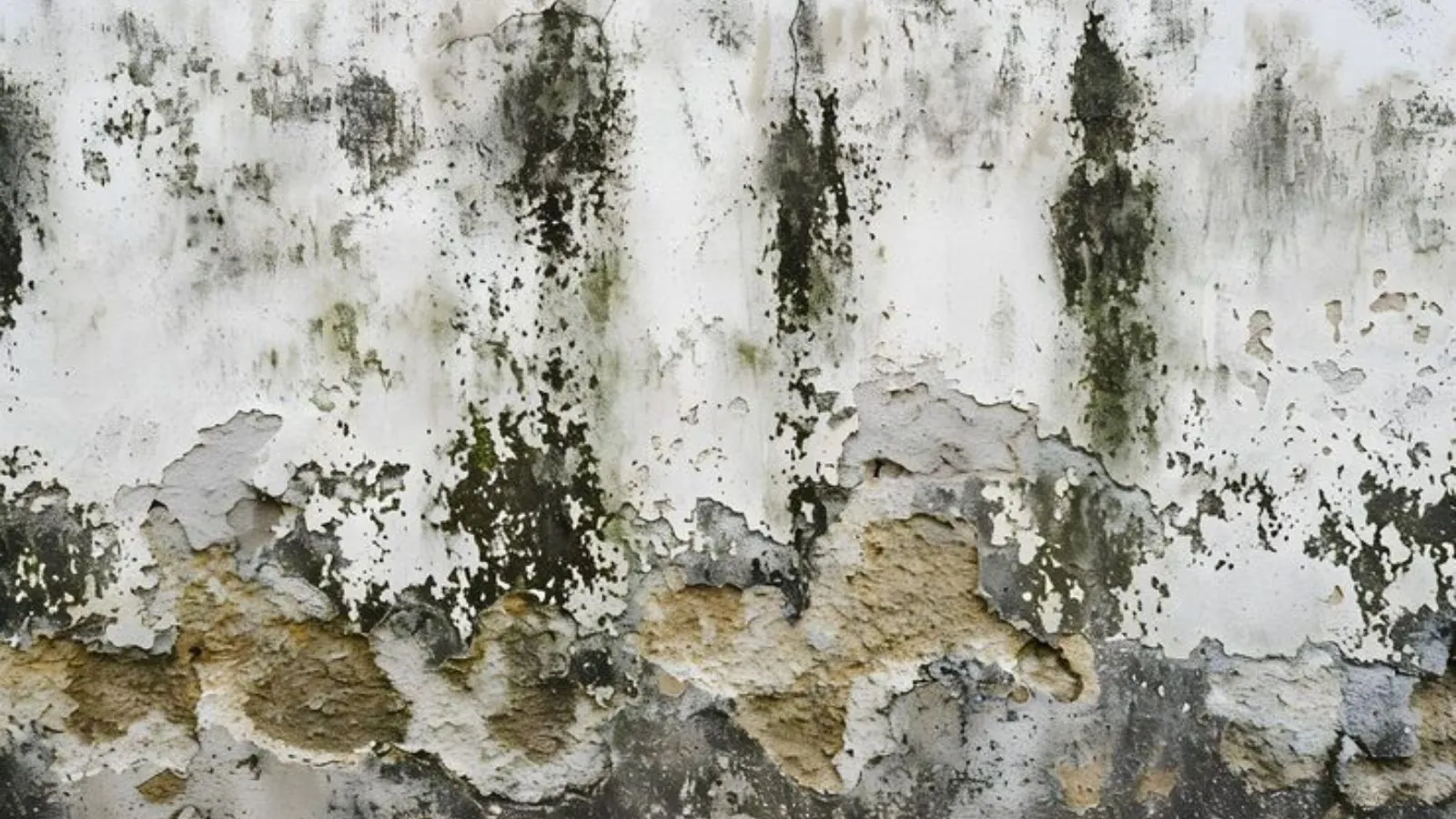
After a leak or a flood, the most common worry is how long you have. The EPA's guidance is that water-damaged materials should be dried within 24 to 48 hours to prevent mold growth. That is a rule of thumb, not a guarantee, and conditions inside a building change it.
This article explains why the window exists, which materials are most at risk and what to do in the first two days. It does not address health effects, which belong with a physician.
Why 24 to 48 hours
Mold spores are common in indoor air. They need moisture, a food source and a suitable temperature to grow. Water damage supplies moisture, and paper-faced drywall, wood and carpet supply food. The two-day window reflects the time it commonly takes for growth to begin on wet organic materials.
Warm, humid and still conditions can speed growth. Cold or dry conditions can slow it. A wet basement in summer is riskier than a wet kitchen in January with the heat on.
Material risk after a leak
Not all materials respond the same way.
| Material | Risk when wet | Typical response |
|---|---|---|
| Paper-faced drywall | High | Dry fast or cut out |
| Carpet pad | High | Remove |
| Wood framing | Moderate | Dry thoroughly |
| Insulation | High if wet | Remove and replace |
| Concrete and tile | Low on the surface | Clean and dry |
The faster the water leaves the materials, the lower the risk. See water extraction for the first stage.
What to do in the first 48 hours
Stop the source and remove standing water. Remove wet carpet pad, soaked insulation and items that cannot be dried. Run dehumidifiers and air movers. Open closets and cabinets to let air in. Keep the heat on in cold weather.
Take moisture readings or ask a crew to take them. A surface that feels dry may still be wet inside. If walls are wet, open them where needed so air reaches the cavity.
Signs mold has started
A musty smell is often the first sign. Dark or fuzzy spots, discoloration on drywall or ceiling and peeling paint follow. Not all discoloration is mold, and only a professional assessment can tell.
If you see signs, do not disturb them. Photograph the area, find the water, and read the mold remediation page. For health concerns, speak to a physician.
Clean water, gray water and the clock
The 24 to 48 hour guidance mostly assumes clean-water losses. If the water was contaminated, a flood or a sewage backup, the approach changes. Porous materials are generally removed rather than dried. Time still matters, but the plan starts with cleaning and removal.
The categories of water are explained in a separate article. In short, the dirtier the water, the less likely a wet porous material can be saved.
Why professional drying beats waiting
A household fan helps the surface. It does not dry a wall cavity. A crew uses dehumidifiers, air movers and meters, and it records readings until the structure matches a dry reference. That record is evidence the structure was dried.
If you cannot start within a day, tell the crew when the water arrived. They will plan accordingly, and may remove more material than they would with an early start.
Temperature, humidity and airflow
Mold grows best in warm, humid, still air. A closed bedroom with wet carpet in July is a high-risk setting. A well-heated, ventilated room in January with a small clean spill is a lower-risk one. The same 48-hour window applies as a guide, but real timing depends on these conditions.
Opening windows helps only when outdoor air is drier than indoor air. In humid weather it can add moisture. Running a dehumidifier in a closed room usually works better than opening the window.
A 48-hour action list after a water event
Print this list or save it on your phone.
First 48 hours
- Stop the source and call a professional if the area is large
- Remove standing water with pumps or a wet vacuum
- Lift wet carpet pad, remove soaked insulation and discard wet cardboard
- Move furniture out of the wet area
- Run dehumidifiers and air movers continuously
- Photograph everything and write the timeline
- Take moisture readings or ask a crew to take them
- Keep wet areas open and do not paint or cover them
Starting this list within hours matters more than perfecting it.
What happens after the window if drying is done right
If a crew dries the structure to a dry reference reading before mold takes hold, the materials usually stay clean. The drying log is your proof. If growth has already begun, the plan changes to removal of the affected materials and cleaning, as described on the mold remediation page.
The goal is the same in both cases: get the moisture out and keep it out.
Why waiting for the insurance adjuster can backfire
Many people hold off on drying until an adjuster has visited, worried that cleanup will erase evidence. The window for mold prevention does not wait for a calendar. Most policies expect you to protect the property from further damage, and photographs plus a drying log preserve the evidence.
Call your insurer, then start. Take photos before you move anything, keep samples of removed materials if asked and keep receipts. If the adjuster cannot come for several days, tell them you are starting mitigation and send the photos. That keeps the record clear while the structure dries.
Key points to remember
Moisture is the driver, and time is the clock. Aim to remove standing water in hours and dry the structure within two days. Photograph first, keep records and ask for readings. If you pass the window, inspect, remove the most at-risk materials and keep drying. Questions about health belong with a physician, and questions about your policy belong with your insurer. Calling early is cheaper than calling late.
A Norton note on wet seasons
The National Weather Service issues the official forecasts for the region, and heavy rain is a frequent cause of basement water. Norton's 2018 resilience workshop summary describes much of the town as low-lying and lists flooded roads at Richardson Avenue. After a heavy rain, check the basement within a day, and begin drying if you find water.
Related pages and nearby towns
For the sequence that follows extraction, see structural drying and dehumidification. Crews also serve Mansfield and Easton, with the same time pressure.
If the window has passed
If more than two days have gone by, do not panic. Check for signs, run drying and consider removing the most at-risk materials such as pad and wet drywall. A crew can read the structure and tell you what remains.
Early action is still worthwhile. Each additional day of moisture increases the chance of growth, so the best time to start is now.
Common questions
No. The window is guidance from the EPA about prevention. Conditions vary.
Small spills yes. Larger losses need commercial equipment and readings.
Moisture readings that match a dry reference. Ask for a log.
It helps. Air movers and removal of wet materials usually matter too.
Tell the crew the date you found it. They will adjust the plan.
References for this article
This guide is based on EPA moisture and mold guidance, Massachusetts Division of Insurance consumer information and the ANSI/IICRC S500 and S520 standards. Check local rules with the town before you act.